
Heat Pump vs. Furnace: Which Is Better for Family Homes?
TL;DR: Choosing between a heat pump vs furnace depends on your home’s heating needs, energy costs, and Colorado’s cold-weather conditions. Both systems offer advantages, but understanding their efficiency, installation costs, and performance can help homeowners make the best decision for their families.
- Heat pumps provide both heating and cooling, offering excellent energy efficiency and potentially lower utility bills.
- Gas furnaces deliver consistent heating during extremely cold temperatures and may be more economical in homes with existing gas infrastructure.
- Installation and operating costs vary based on equipment efficiency, local energy prices, and necessary home upgrades.
- Cold-climate heat pumps are designed to operate efficiently in freezing temperatures, making them a practical option for Colorado Springs homes.
- Dual-fuel systems combine a heat pump and gas furnace to balance energy efficiency with reliable cold-weather performance.
Keeping your family comfortable throughout the year starts with choosing the right heating system. For homeowners in Colorado Springs, that decision can be especially important. Cold winters, fluctuating temperatures, and high elevation create unique challenges for home heating systems.
When comparing heat pump vs furnace options, homeowners need to consider energy efficiency, installation costs, long-term expenses, and overall comfort. Both systems have advantages, but the best choice depends on your home’s needs, existing equipment, and budget.
Let’s explore the differences between these heating systems and what Colorado homeowners should consider before making a decision.
Understanding the Differences Between Heat Pumps and Furnaces
Before comparing performance and costs, it helps to understand how each heating system operates.
How Does a Heat Pump Work?
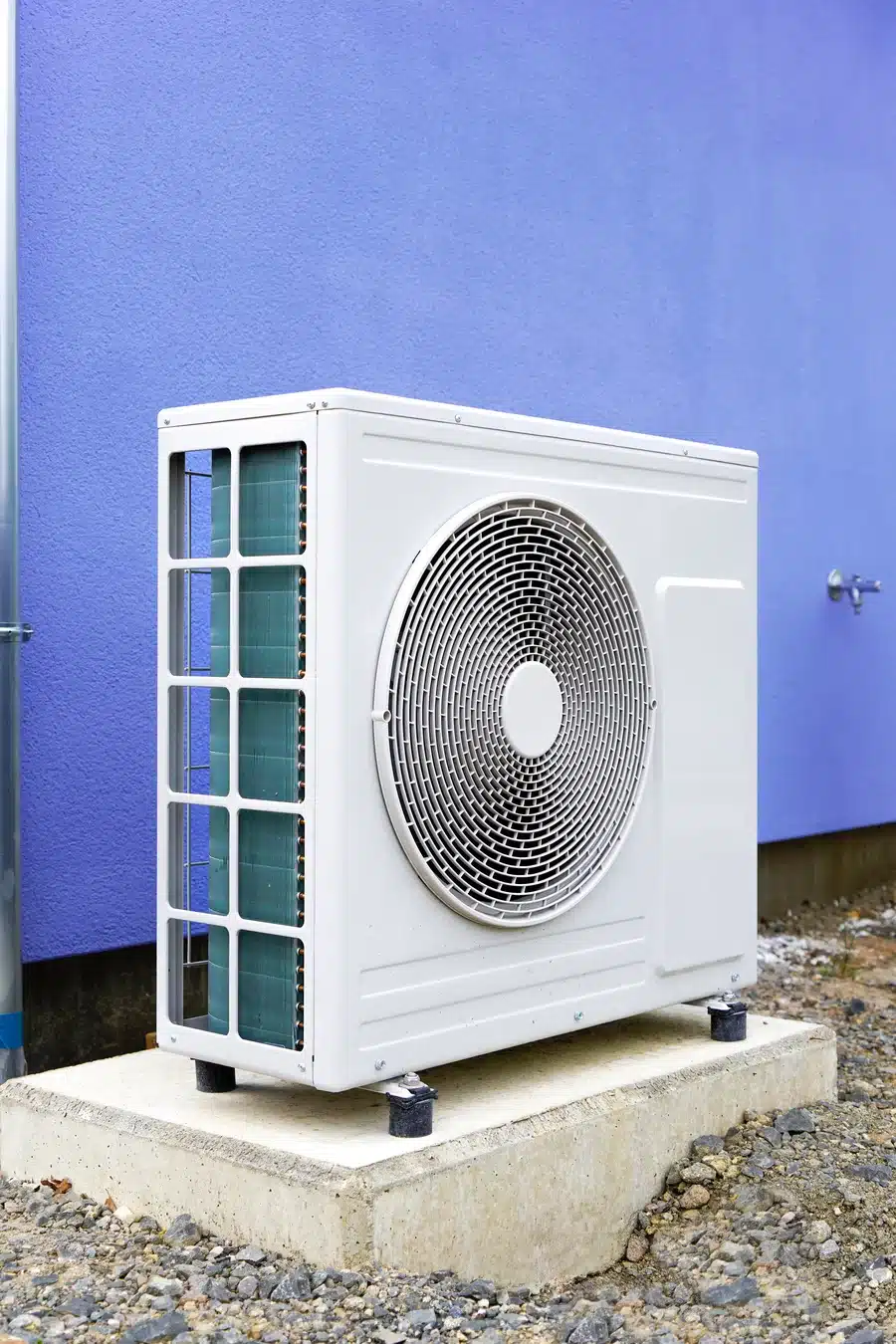
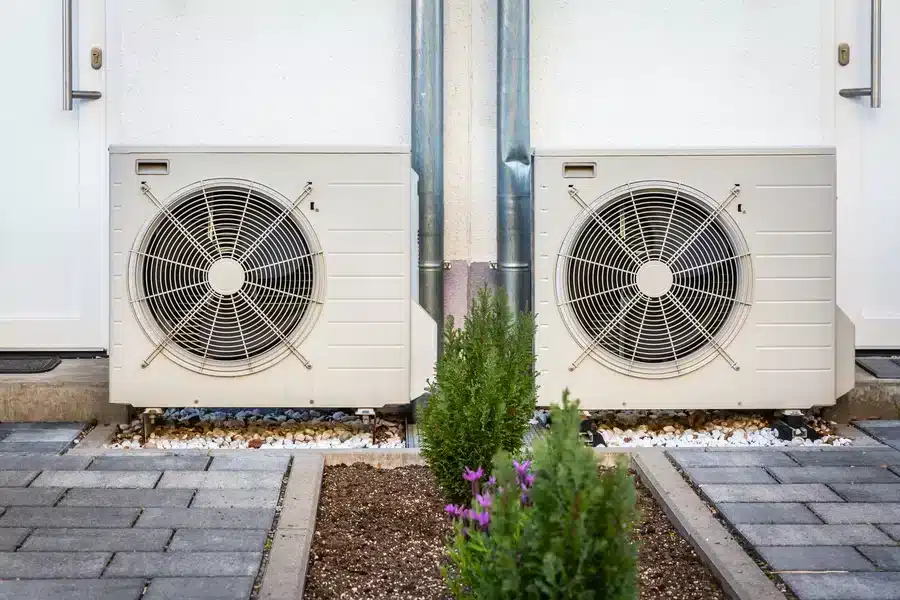
A heat pump transfers heat rather than generating it through combustion or electric resistance. During winter, an electric heat pump extracts heat from outdoor air and moves it indoors. During summer, the process reverses, allowing the system to cool your home.
Most residential air source heat pumps use electricity to operate a compressor and circulate refrigerant between indoor and outdoor components.
One of their biggest advantages is versatility. Instead of purchasing separate heating and cooling systems, homeowners can use one system for year-round comfort.
Modern cold climate heat pumps are designed to maintain heating performance at temperatures well below freezing, making them increasingly practical for Colorado homes.
How Does a Furnace Work?
Furnaces generate heat and distribute warm air throughout your home using ductwork.
Gas furnaces burn natural gas to heat air through a heat exchanger. Electric furnaces use electrical resistance heating elements to accomplish the same task.
Unlike heat pumps, furnaces focus exclusively on heating. Homeowners generally need a separate air conditioning system for summer cooling.
Gas furnaces are particularly popular in colder climates because they can deliver high-temperature supply air and maintain consistent heating during extremely cold weather.
Heat Pump vs. Gas Furnace: Comparing the Pros and Cons
Understanding the pros and cons of heat pumps and furnaces helps homeowners evaluate which system best fits their household.
Energy Efficiency
One of the most important considerations is heat pump heating efficiency.
Because heat pumps transfer existing heat instead of creating it, they can deliver multiple units of heating energy for every unit of electricity consumed. Under favorable conditions, they can be significantly more efficient than traditional electric resistance heating.
However, heat pump efficiency generally decreases as outdoor temperatures fall. Modern cold-climate models can still provide effective heating in freezing conditions, although performance varies by equipment.
High-efficiency gas furnaces can convert approximately 95% to 98% of the fuel they consume into usable heat, depending on their rated annual fuel utilization efficiency (AFUE).
While this sounds lower than heat pump efficiency, natural gas prices can make furnaces economical to operate.
Heating Performance in Cold Weather
Colorado Springs experiences freezing temperatures, occasional heavy snowfall, and significant temperature changes.
Traditional heat pumps may struggle to maintain capacity during extreme cold, sometimes requiring supplemental heating.
Cold-climate systems have improved considerably, but proper equipment selection remains essential.
Gas furnaces maintain strong heating output regardless of outdoor temperatures, provided they have a reliable fuel supply and functioning equipment.
For families concerned about winter performance, a dual-fuel system can offer another option. These systems combine an electric heat pump with a gas furnace, automatically switching between heating sources based on operating conditions and system settings.
Comfort and Temperature Control
Heat pumps typically deliver warmth through longer, steadier heating cycles. This can create consistent indoor temperatures with fewer noticeable fluctuations.
Furnaces often deliver hotter air through shorter heating cycles, which some homeowners prefer during particularly cold weather.
Both systems can provide excellent comfort when properly sized, installed, and maintained.
Furnace vs. Heat Pump Operating Costs: What Should Homeowners Expect?
Monthly heating expenses are a major consideration when selecting a new system.
The furnace vs heat pump operating costs comparison depends on several factors, including electricity rates, natural gas prices, outdoor temperatures, equipment efficiency, and home insulation.
Installation and Upfront Costs
The upfront cost of a heating system depends on the equipment, installation requirements, and existing infrastructure.
Replacing an existing gas furnace with a comparable model may be relatively straightforward if the home’s ductwork, gas connections, and ventilation are already suitable.
Installing a heat pump may involve additional expenses, particularly when electrical upgrades, ductwork modifications, or new indoor equipment are necessary.
However, heat pumps provide both heating and cooling, potentially eliminating the need to purchase a separate air conditioner.
Homeowners should compare complete system costs rather than focusing exclusively on individual equipment prices.
Long-Term Energy Expenses
Heat pumps can reduce energy consumption substantially compared to electric furnaces, which generate heat through electrical resistance.
Comparing a heat pump vs gas furnace is more complicated.
Natural gas may cost less per unit of delivered heat, depending on local utility rates and operating temperatures. In other situations, a high-efficiency heat pump can provide lower heating expenses.
Maintenance requirements also affect long-term costs. Both systems benefit from regular professional inspections, filter changes, and timely repairs.
A qualified HVAC contractor can estimate annual operating expenses using your home’s heating requirements and current utility rates.
Which Heating System Is Better for Colorado Springs Homes?
There is no universal winner in the heat pump vs furnace comparison. The right system depends on your family’s priorities and the characteristics of your home.
When a Heat Pump Makes Sense
A heat pump may be an excellent option for homeowners who want efficient heating and cooling from one system.
Heat pumps are particularly appealing when replacing both an aging furnace and air conditioner, upgrading to high-efficiency equipment, or reducing reliance on fossil fuels.
Homes with good insulation, appropriate electrical capacity, and properly designed ductwork may be especially well suited for heat pump installation.
For Colorado Springs residents, choosing equipment rated for cold-weather performance is important.
When a Furnace Makes Sense
A gas furnace may be preferable for homeowners who prioritize reliable heating capacity during extreme cold or already have an efficient central air conditioning system.
Furnaces can also be practical when an existing gas heating system needs replacement and homeowners want to minimize installation modifications.
Families with higher heating demands or homes that are difficult to retrofit may find a furnace more suitable.
Consider a Dual-Fuel Heating System
For some households, combining both technologies provides an attractive compromise.
A dual-fuel system uses a heat pump during milder conditions and switches to a gas furnace when temperatures fall or when gas heating becomes more economical.
This arrangement can balance efficiency, comfort, and cold-weather performance.
Find the Right Heating System With Ascent HVAC & Home Solutions
Choosing between a heat pump and furnace involves more than comparing efficiency ratings. Colorado Springs homeowners also need to consider elevation, insulation, ductwork, equipment sizing, and their family’s comfort preferences.
At Ascent HVAC & Home Solutions, we understand the challenges of heating homes along Colorado’s Front Range. Our team can evaluate your existing equipment, explain your options, and recommend solutions based on your home’s specific needs.
Ready to upgrade your home’s heating system? Contact Ascent HVAC & Home Solutions to schedule a consultation and find the right solution for year-round family comfort.