
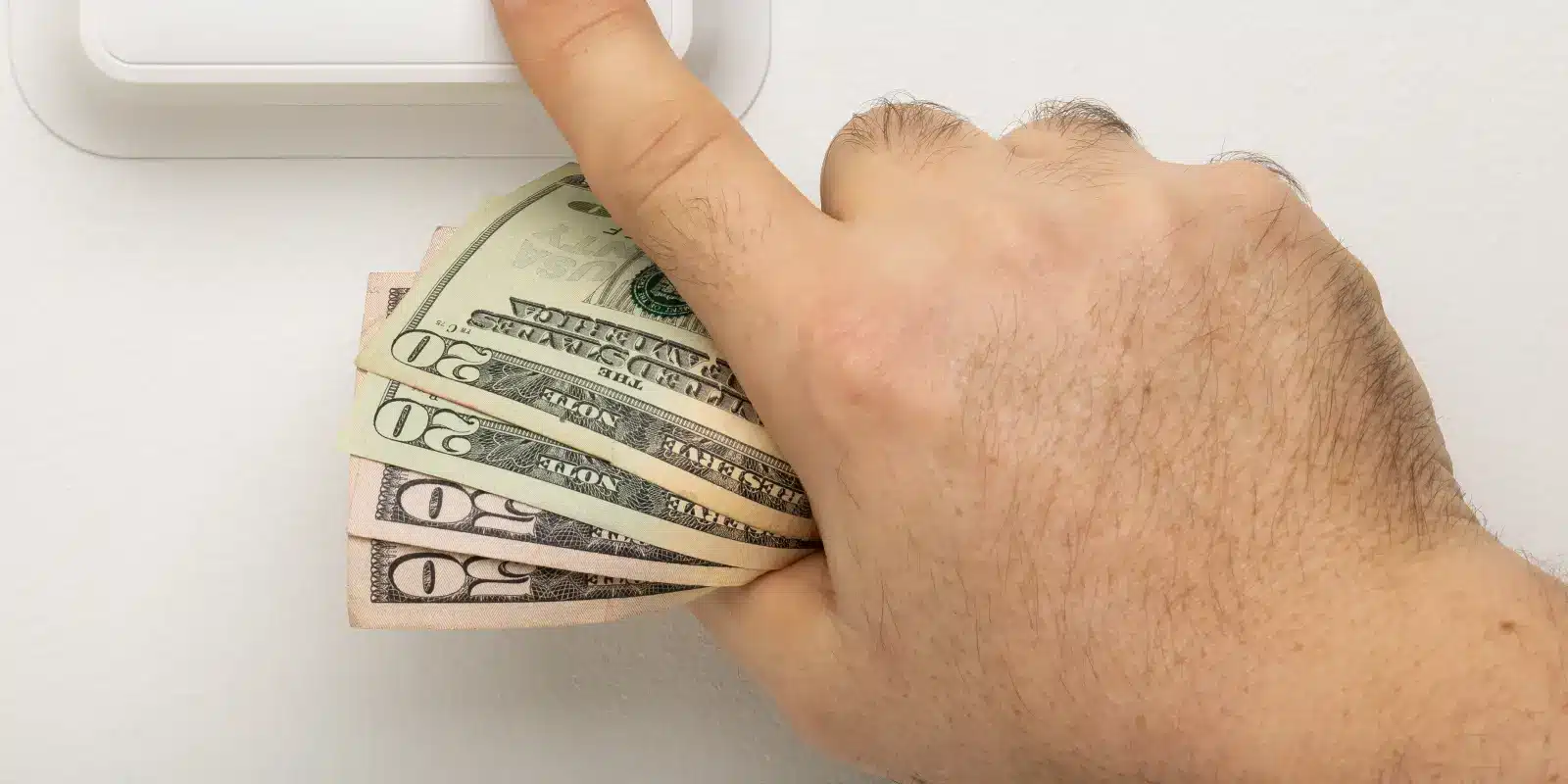
How Much Does Furnace Repair Cost in Colorado Springs in 2026?
In 2026, furnace repair costs in Colorado Springs typically range from $150 to $3,500, depending on the problem, the age of the furnace, labor requirements, and whether major components or Low-NOx-related upgrades are involved.
Simple repairs like replacing an ignitor or thermostat are often relatively affordable, while larger repairs involving blower motors, heat exchangers, or control boards can become significantly more expensive.
Furnace issues often appear during freezing winter weather when fast repairs are critical. But in 2026, changing HVAC regulations, parts shortages, Low-NOx standards, and electrification incentives are all reshaping how homeowners approach furnace repairs and replacement decisions.
Understanding what impacts furnace repair costs can help homeowners avoid overspending while making smarter long-term decisions about comfort, safety, and energy efficiency.
What Affects Furnace Repair Costs?
Several important factors determine how much homeowners may pay for furnace repairs.
Type of Furnace Problem
Some furnace issues are minor and straightforward, while others involve labor-intensive repairs or safety-critical components.
Lower-Cost Furnace Repairs
These repairs are usually less expensive and faster to complete:
- Ignitor replacement
- Thermostat replacement
- Flame sensor cleaning
- Capacitor replacement
- Minor electrical repairs
- Clogged filter corrections
Higher-Cost Furnace Repairs
More serious furnace problems often involve major components and higher labor costs:
- Blower motor replacement
- Heat exchanger issues
- Gas valve replacement
- Control board replacement
- Inducer motor failure
- Airflow redesigns
Addressing problems early can often help prevent larger and more expensive system failures later.
Furnace Age Plays a Major Role
The age of your furnace significantly affects both repair costs and long-term reliability.
Older furnaces may:
- Use discontinued components
- Operate inefficiently
- Struggle during Colorado cold snaps
- Require specialized replacement parts
- Experience repeated breakdowns
Furnaces installed before 2024 are becoming increasingly difficult and expensive to maintain because of new Low-NOx regulations and changing manufacturer priorities.
The 2026 Low-NOx Equipment Shift Is Increasing Repair Costs
One of the biggest HVAC industry changes affecting Colorado homeowners in 2026 is the statewide move toward Low-NOx furnace standards under Colorado House Bill 23-1161.
Manufacturers are rapidly shifting production toward:
- Lower-emission furnaces
- High-efficiency HVAC systems
- Electrification-ready equipment
- Cold-climate heat pumps
As a result, homeowners with older furnace systems may now encounter:
- Higher replacement component pricing
- Limited inventory availability
- “Legacy pricing” for outdated systems
- Compatibility issues with modern equipment
This especially impacts:
- Heat exchangers
- Inducer motors
- Proprietary control boards
- Older blower assemblies
For many homeowners, the cost of maintaining an aging furnace continues to rise every year.
Heat Exchanger Problems Are a Major Financial Decision Point
A cracked heat exchanger is one of the most serious furnace problems homeowners can face.
Because heat exchangers directly affect:
- Combustion safety
- Carbon monoxide risks
- Heating efficiency
a professional HVAC inspection is essential whenever heat exchanger damage is suspected.
In many cases, replacing the heat exchanger in an older furnace may not make financial sense compared to replacing the entire system.
Homeowners should schedule an inspection immediately if they notice:
- Burning smells
- Soot buildup
- Inconsistent heating
- Unusual furnace noises
- Carbon monoxide concerns
Why Colorado Springs Climate Conditions Increase Furnace Wear
Colorado’s climate creates significant stress on residential heating systems.
Rapid Temperature Drops
Colorado Springs often experiences dramatic overnight temperature swings that force furnaces to work harder during winter months.
High-Altitude Operation
Higher-elevation neighborhoods such as:
- Northgate
- Flying Horse
- Briargate
- Black Forest
require more precise airflow and combustion adjustments because thinner air affects furnace performance.
Dry Air & Airflow Restrictions
Colorado’s dry climate can increase:
- Static pressure problems
- Filter restrictions
- Dust accumulation
- Blower strain
Over time, these conditions accelerate wear on furnace components — especially in older systems.
Emergency Furnace Repair Costs
Emergency furnace repairs outside normal business hours often cost more because of:
- Overnight service calls
- Weekend scheduling
- Holiday repairs
- Severe weather demand
- Emergency safety concerns
When temperatures drop below freezing, restoring heat quickly becomes a major priority for both comfort and safety.
Ascent HVAC & Home Solutions provides fast heating repair services throughout Colorado Springs and the Front Range to help homeowners restore heat during unexpected furnace breakdowns.
The Repair-vs-Replace Decision Has Changed in 2026
For years, many homeowners followed the traditional “50% Rule” when deciding whether to repair or replace a furnace.
But in 2026, expanded Colorado incentives are dramatically changing that equation.
Although portions of the original Front Range HEAR rebate program were fully reserved by Spring 2026, Colorado homeowners may still qualify for substantial savings through:
- Xcel Energy rebates
- Colorado State Heat Pump Tax Credits
- Utility efficiency incentives
- Electrification programs
In some cases, homeowners may still qualify for up to $7,750 in combined incentives for qualifying high-efficiency heat pump systems and HVAC upgrades.
For many homeowners, investing:
- $2,000–$4,000 into an aging furnace
may no longer be the smartest long-term financial decision when rebates can significantly reduce replacement costs.
Why More Homeowners Are Switching to Heat Pumps
Many Colorado homeowners are replacing older furnaces with modern cold-climate heat pumps because they provide:
- Heating and cooling in one system
- Improved energy efficiency
- Lower operating costs
- Electrification compatibility
- Better year-round comfort
Modern cold-climate heat pumps perform far better during Colorado winters than earlier generations and are becoming a major part of the HVAC industry transition.
Homeowners considering an upgrade can learn more about high-efficiency HVAC and heat pump installation services here.
Field Report from the Shop
“This past winter, we saw a huge spike in emergency furnace calls throughout Briargate and Northgate after several rapid cold snaps hit back-to-back. Many older furnaces were already struggling with restricted airflow and worn blower motors, and once temperatures dropped overnight, the systems simply couldn’t keep up. We’re also seeing more homeowners shocked by how expensive older furnace parts have become in 2026 due to the Low-NOx equipment transition.”
— Ascent HVAC Expert
Can Furnace Maintenance Reduce Repair Costs?
Yes. Regular furnace maintenance is one of the most effective ways to reduce long-term repair costs and improve heating reliability.
Routine maintenance can help identify:
- Airflow restrictions
- Failing electrical components
- Blower wear
- Ignition issues
- Combustion concerns
- Dirty burners
Fixing small problems early is almost always less expensive than dealing with emergency furnace failures later.
Regular maintenance may also help:
- Improve heating efficiency
- Extend furnace lifespan
- Reduce emergency repair risks
- Improve indoor comfort
Homeowners interested in preventative HVAC care can learn more about professional furnace and AC maintenance services here.
Current Promotions & Financing Opportunities
If you’re concerned about the cost of furnace repairs or replacement, financing programs, seasonal promotions, and energy-efficiency incentives may help reduce upfront expenses.
Many qualifying rebates can now be applied directly to installation estimates through participating contractor programs, helping homeowners lower costs immediately instead of waiting for reimbursements.
You can explore current HVAC promotions, financing offers, and seasonal specials here.
Trusted Furnace Repair Services in Colorado Springs
Heating problems can become serious very quickly during Colorado winters.
Ascent HVAC & Home Solutions provides professional furnace repair services throughout Colorado Springs and the Front Range with:
- Fast response times
- Skilled HVAC technicians
- Emergency heating repair solutions
- Long-term comfort recommendations
- Professional system diagnostics
Homeowners experiencing heating issues can contact the Ascent HVAC team directly here.
For additional service coverage information, visit the service areas page.