

How to Improve Home Air Quality in Colorado Springs: A Homeowner’s Guide
Most homeowners think about their HVAC system when temperatures become uncomfortable, but it also plays a major role in the air you breathe every day. If you’ve noticed excessive dust, allergy symptoms, lingering odors, or dry indoor air, it may be time to take steps to improve your home’s air quality.
In Colorado Springs, maintaining healthy indoor air comes with unique challenges. High altitude, dry conditions, seasonal allergens, and even wildfire smoke can affect the air inside your home. Fortunately, there are several ways to improve home air quality and create a healthier, more comfortable living environment for your family.
Why Home Air Quality Matters
According to the EPA, indoor air can sometimes contain higher concentrations of pollutants than outdoor air. Since most people spend most of their time indoors, poor air quality can affect both comfort and overall health.
Common signs of poor air quality include:
While some symptoms may seem minor, they can become more noticeable during Colorado’s dry winters and wildfire seasons.
What Affects Home Air Quality in Colorado Springs?
High Altitude and Dry Air
Colorado Springs sits at over 6,000 feet above sea level. At higher elevations, the air naturally contains less moisture, which can contribute to:
During winter, indoor heating can further reduce humidity levels, making homes feel even drier.
Seasonal Allergens
Pollen from grasses, trees, and weeds can enter your home through open doors, windows, and ventilation systems. Even when windows remain closed, allergens can hitch a ride indoors on clothing, shoes, and pets.
Wildfire Smoke
Colorado homeowners have become increasingly familiar with wildfire smoke events. Smoke particles can travel hundreds of miles and enter homes through small gaps, ventilation systems, and frequent door openings.
Wildfire smoke can introduce fine particles into the home, affecting visibility, comfort, and air quality.
According to the U.S. Environmental Protection Agency (EPA), wildfire smoke can enter homes through open windows and doors, HVAC systems with outside air intake, and even small cracks around the home’s exterior. During smoke events, homeowners should keep windows closed, monitor local air quality, and take steps to improve indoor air quality through proper filtration and ventilation. Learn more from the EPA’s guide on wildfire smoke and indoor air quality
Dust and Construction Growth
As Colorado Springs continues to grow, nearby construction projects and dry soil conditions can contribute to increased dust levels inside homes. Dust can accumulate quickly and circulate through HVAC systems if filtration is inadequate.
7 Ways to Improve Home Air Quality
1. Change Your HVAC Air Filter Regularly
One of the easiest ways to improve home air quality is to replace your HVAC filter regularly.
A clean filter helps capture:
Most homeowners should inspect their filters monthly and replace them according to the manufacturer’s recommendations.
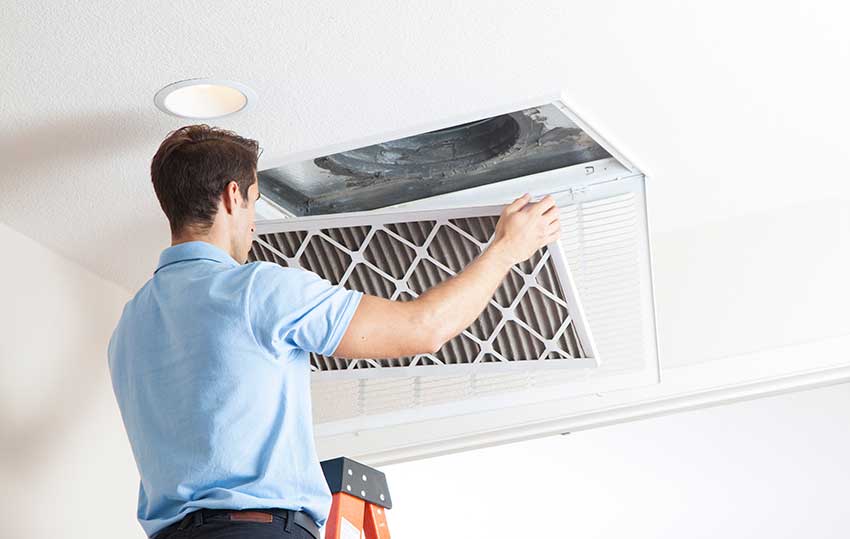
If you have pets, allergies, or a larger household, you may need to change the filter more frequently.
2. Upgrade Your Air Filtration System
Standard HVAC filters provide basic protection, but higher-efficiency filtration systems can remove smaller particles from the air.
Enhanced filtration options can help reduce:
A professional HVAC technician can recommend a filtration solution that works with your existing system.
3. Consider a Whole-Home Air Purifier
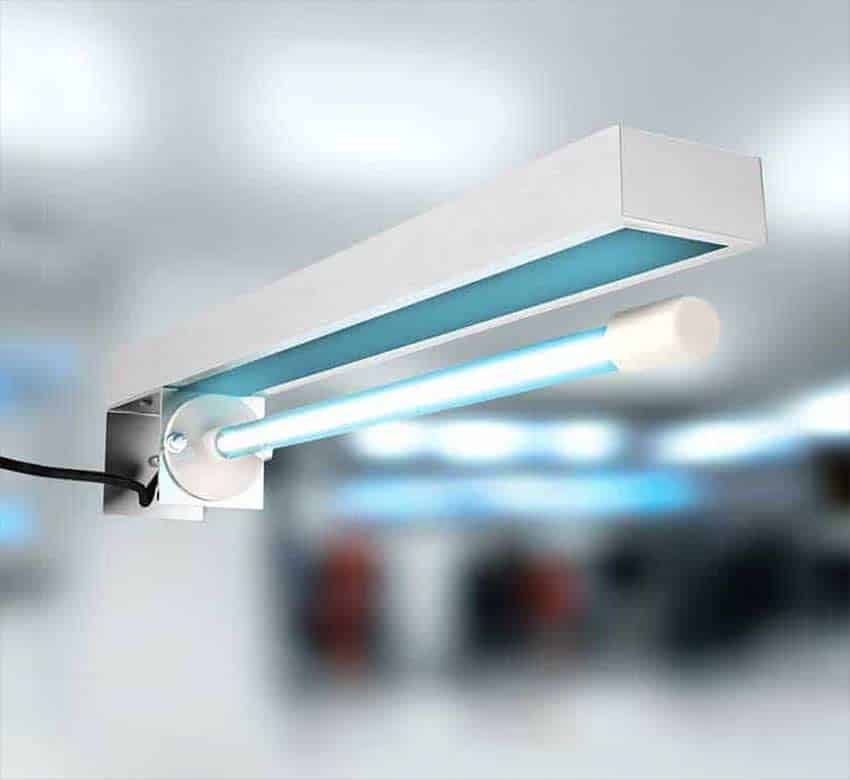
Whole-home air purification systems work alongside your HVAC equipment to help improve air quality throughout the entire home.
Depending on the system, air purifiers may help address:
Unlike portable units, whole-home systems treat the air circulating through your HVAC system.
4. Manage Indoor Humidity Levels
Colorado’s dry climate makes humidity control especially important.
Maintaining balanced humidity levels may help:
A whole-home humidifier can provide consistent moisture throughout the home during dry winter months.
5. Keep Your HVAC System Maintained
Routine HVAC maintenance helps ensure your system works effectively and supports cleaner indoor air.
During maintenance visits, technicians can inspect and clean components such as:
A clean HVAC system is better equipped to circulate cleaner air throughout your home.

6. Reduce Indoor Pollutants
Simple household habits can help improve air quality.
Consider:
Small changes can make a noticeable difference over time.
7. Keep Wildfire Smoke Outside
During wildfire season, homeowners can take additional precautions to reduce smoke infiltration.
Helpful strategies include:
These steps can help limit the amount of smoke entering the home.
When Should You Schedule a Home Air Quality Assessment?
You may benefit from a professional evaluation if you notice:
An HVAC professional can evaluate your current system and recommend solutions customized to your home’s specific needs.
Improve Your Home Air Quality With Help From Local Experts
Colorado Springs homeowners face unique indoor air challenges caused by high altitude, dry conditions, seasonal allergens, and wildfire smoke. Fortunately, improving home air quality often starts with the right combination of filtration, humidity control, maintenance, and air purification solutions.
At Ascent HVAC & Home Solutions, our experienced team helps homeowners create healthier, more comfortable indoor environments. As a locally owned, contractor-led company, we understand the unique air quality concerns that affect homes throughout Colorado Springs and surrounding communities.
With over 13 years of experience, highly trained technicians, and our 100% satisfaction guarantee, we’re committed to helping you breathe easier year-round.
Contact Ascent HVAC & Home Solutions today to learn more about indoor air quality solutions that can help improve your home’s air quality.